Good Allisa Script Font: A Maker’s Review for Labels and Packaging
I was sitting at my cutting mat, surrounded by half-cut vinyl scraps and a stack of blank candle jars, trying to find the perfect typography for a new line of artisanal soy candles. I had the scent down—cedar and vanilla—but the visual identity felt flat. The label needed something that whispered luxury but didn’t scream corporate. That is when I pulled up Good Allisa. As a fun and flowing script font, it immediately caught my eye, promising to bring my creative ideas to a higher level of polish.
Testing fonts on physical products is different than designing on a screen. You have to think about how the curves will look when printed on kraft paper, how they hold up on a curved glass jar, and whether they read clearly from across a boutique shelf. After spending an afternoon mocking up labels, sticker sheets, and packaging tags with Good Allisa, I found myself genuinely excited about its potential for handmade businesses.
The Visual Personality of Good Allisa
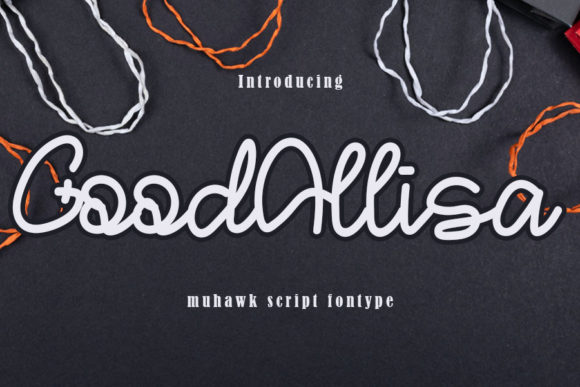
Good Allisa isn’t just another generic cursive typeface; it has a distinct rhythm. It feels masterfully designed, balancing elegance with approachability. The strokes are fluid, mimicking the natural movement of a calligraphy pen without the rigid formality of traditional script fonts. This makes it incredibly versatile for makers who want their brand to feel personal yet professional.
When I first placed the text on my digital mockup, the font exuded a sense of warmth and creativity. It doesn’t overpower the design but rather guides the eye smoothly across the page. For a product maker, this is crucial. You want your typography to enhance the product, not distract from it. Good Allisa strikes that balance perfectly, offering a modern typography style that fits well within contemporary editorial design trends while maintaining a handwritten charm.
Real-World Applications for Handmade Products
One of the biggest challenges in the handmade space is versatility. A single font needs to work across multiple touchpoints, from social media graphics to physical merchandise. Here is how Good Allisa performed in my practical tests:
- Candle and Product Labels: I used Good Allisa for the main brand name on my cedar-vanilla candle labels. Set against a minimalist background, the flowing script added an instant touch of premium quality. It looked particularly stunning in gold foil on matte black paper, proving its strength as a display font for high-end packaging design.
- Boutique Tags and Hangtags: For small clothing or accessory brands, hangtags are essential. I tested the font on smaller scale tags. While it remains legible, it shines best when used for short phrases, names, or titles. It adds a decorative flair that elevates the unboxing experience, making customers feel like they are receiving a gift.
- Greeting Cards and Invitations: If you sell printable stationery, Good Allisa is a strong contender. I created a wedding welcome board mockup where the font provided a romantic, inviting tone. It pairs beautifully with simple floral illustrations, creating a cohesive brand identity for special events.
- Sticker Sheets: For planners and journalers, stickers are a staple. I designed a sheet of motivational quotes using Good Allisa. The flowing lines allowed for creative layouts where words could wrap around shapes, adding dynamic visual interest to digital downloads and printables.
Readability and Production Considerations
As a maker, I am always mindful of production realities. How does this font behave when cut by a Cricut or Silhouette? How does it print?
For cutting machines, Good Allisa performs well with medium-weight materials like vinyl or cardstock. However, because it is a creative font with connected letters, very tiny cuts can become difficult to weed. I recommend keeping minimum text sizes above 0.5 inches for intricate details to ensure clean edges. On small stickers or product labels, clarity is key. If the letters are too close together or the swashes are too elaborate, the text might blur into a single shape when viewed from a distance.
When printing on physical merchandise like mugs, shirts, or tote bags, the font holds up nicely. Its bold enough weight ensures visibility, but the delicate flourishes add a layer of sophistication. For packaging design, especially on textured surfaces like kraft paper, the contrast between the smooth script and the rough texture creates a beautiful tactile appeal.
However, there are limitations. Good Allisa is not suitable for long paragraphs or dense label information. Ingredients lists, care instructions, and legal disclaimers should be set in a clean sans serif font or a simple serif font for maximum readability. Using a script font for technical product instructions can frustrate customers who just want clear information quickly.
Strategic Font Pairing for Brand Consistency
To truly leverage Good Allisa, strategic font pairing is essential. A common mistake makers make is using only one typeface for everything, which can look monotonous or cluttered. Good Allisa works best as a headline or accent font.
In my designs, I paired Good Allisa with a clean sans serif font for body text. This combination creates a strong visual hierarchy. The script draws attention to the brand name or key message, while the sans serif provides clear, easy-to-read details. For example, on a landing page for a digital template shop, I used Good Allisa for the hero section title and a neutral sans serif for the feature list. This mix of modern typography styles keeps the design fresh and accessible.
Another effective pairing is with a classic serif font. This combination leans more toward an editorial design aesthetic, perfect for luxury beauty brands or high-end wedding stationery. The contrast between the structured serifs and the free-flowing script adds depth and character to your brand identity.
Technical Details and Licensing
Before purchasing any premium font, it is vital to check the included styles and file formats. Good Allisa typically comes with various weights and alternates, allowing for creative variation in your designs. Ligatures and swashes can add unique touches, but use them sparingly to maintain professionalism. Always verify multilingual support if you plan to serve international markets, ensuring all characters render correctly.
Licensing is another critical factor for commercial sellers. Ensure you understand the scope of the commercial font license. Most standard licenses allow for use on physical products sold (like t-shirts or candles) but may restrict unlimited digital distribution or web embedding. If you are creating SVG-style designs for resale on marketplaces, double-check the terms to avoid copyright issues. Investing in proper licensing protects your business and respects the designer’s work.
Final Verdict for Makers
Good Allisa is more than just a pretty font; it is a tool that can elevate the perceived value of your handmade goods. Its fun and flowing nature brings energy to your designs, while its structural integrity ensures it remains legible and professional. Whether you are designing candle labels, greeting cards, or boutique packaging, this script font offers the charm and versatility needed to stand out in a crowded marketplace.
For crafters and product makers looking to refine their visual identity, Good Allisa is a worthy addition to your design assets library. It helps bridge the gap between artistic expression and commercial viability, allowing you to present your creations in the best possible light. Just remember to pair it wisely, respect readability limits, and choose the right applications to let its true favorite status shine through in your work.